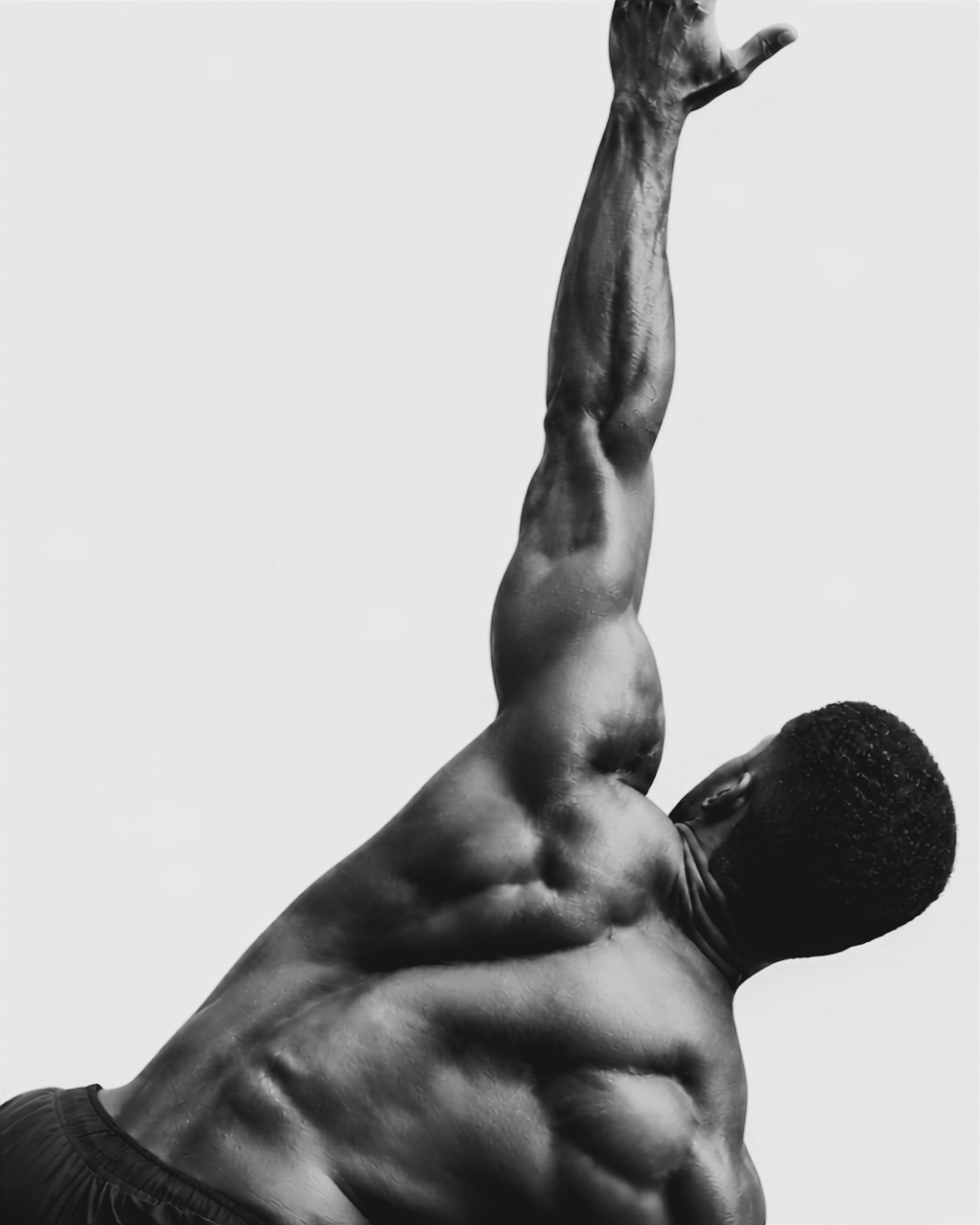
Structural Integration
Made to last, Strength in balance.

Importance of Structural Integration for Athletes
Structural Integration (SI) is an essential practice for athletes aiming to optimize their physical capabilities and overall well-being. It improves posture alignment, balance, flexibility, range of motion, and body awareness, while also decreasing chronic pain patterns and supporting rehabilitation from injuries. Additionally, SI helps improve emotional balance and cognitive processes. The mantra "when structure is balanced, function is free" encapsulates its core principle.
Major Goals for Each Structural Integration Session
-
Session 1: Focuses on aligning the shoulder and pelvis, enhancing breathing.
Session 2: Targets the calf, knee, ankle, toes, foot, and arches of the lower leg.
Session 3: Releases tension from the lumbar, deltoid, trapezius, and cervical regions.
-
Session 4: Aims to align the medial sides of both legs and the pelvis.
Session 5: Releases tension in abdominal muscles, especially the psoas and iliacus.
Session 6: Extends tension release to the full back, legs, hips, and erector spinae group.
Session 7: Focuses on upper body alignment, releasing tension in the neck, face, and cranium.
-
• Session 8: Enhances balance between body sides, front and back, and internal-external alignment
• Session 9: Integrates tissues of the arms, neck, shoulders, and Thorax.
• Session 10: Tailored by the client and practitioner to evaluate and improve structural alignment.
Built for performance
Structural Integration is conducted over 10 sessions, a method developed by Ida Rolf and refined through training, such as the 40-day discipline with George P. Kousaleos, a student of Rolf. Each session targets specific body regions, gradually working through deeper layers of myofascial tissue to affect intrinsic musculoskeletal structures.